Late on a damp Friday evening at a neighborhood sporting activities ground in Gosnells, play stopped for an extremely different factor. A guy in his 50s had actually fallen down near the sideline. Two individuals ran over. One looked for a response and breathing, the various other got a phone and yelled for the AED. Within a min, chest compressions had started. By the time paramedics arrived, the male had obtained 2 shocks from the defibrillator and continual, strong compressions. He survived.
Encounters similar to this are not uncommon. Many out‑of‑hospital heart attacks take place in daily areas, with family members, colleagues, or teammates nearby. In Australia, survival after out‑of‑hospital heart attack is generally in the solitary figures to reduced teens, but when a bystander begins CPR rapidly and an AED is used within minutes, survival can multiply severalfold. That is why first aid training in Gosnells is not simply a certificate, it is an area asset.
Why a couple of mins make the difference
Cardiac arrest is an electric issue. The heart unexpectedly quits pumping successfully, normally due to the fact that the rhythm comes to be chaotic. Without blood flow, brain cells start to endure within minutes. Every min without CPR and defibrillation minimizes the opportunity of survival by approximately 7 to 10 percent. Those are not frighten tactics, they are the numbers numerous ambulance services and the Australian Resuscitation Council base their advice on.
Here is the hopeful part. Chest compressions reduce the clock. Great compressions flow a portion of regular blood flow, which acquires time for the defibrillator and the paramedics. An AED can reset the heart if the rhythm is shockable, which chance is highest possible beforehand. So the objective is easy: acknowledge arrest fast, call 000, begin compressions, and apply an AED as quickly as it appears.
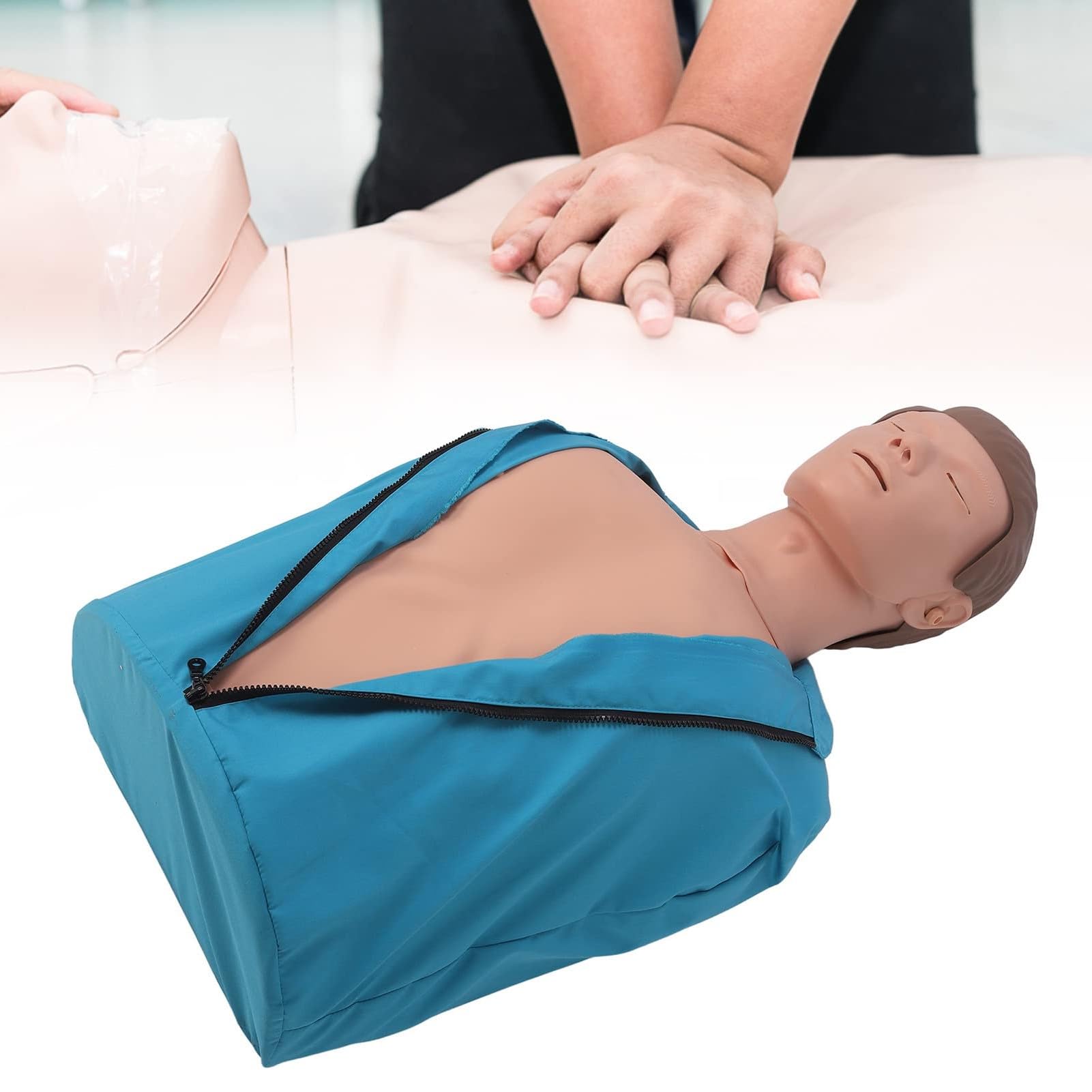
Cardiac arrest is not a heart attack
The terms get muddled in discussion. A cardiac arrest is a flow problem in the heart muscular tissue, generally a blocked artery. The individual is awake, usually suffering, often nauseated or sweaty. Cardiac arrest is an abrupt failing of the heart to pump. The individual falls down, quits breathing typically, and becomes unresponsive.
Because heart attacks can tip right into arrest, consider them as two ends of a spectrum. If a person in Gosnells complains of upper body pain or stress that lasts more than a couple of mins, call 000 early. If that very same individual unexpectedly quits responding and is not taking a breath normally, switch into apprehension mode without delay.
The apparent indicators of heart arrest
- The person is unresponsive in spite of a company shoulder press and loud voice. There is no regular breathing. You may see gasping or snorting in the very first minutes. That is agonal breathing, not typical breathing. You can not feel typical indications of life. If you are trained, look for a carotid pulse for no greater than 10 secs, yet do not postpone compressions if unsure. The collapse is abrupt, sometimes preceded by a brief seizure‑like shake.
If your mind is divided in between possibly and of course, act as if it is heart attack. Starting CPR on somebody who still has a pulse is unusual if you check for responsiveness and breathing properly, and the threat of small bruising is much surpassed by the cost of waiting when the heart has currently stopped.
The CPR series that works in genuine life
- Call 000, placed the phone on audio speaker, and send out a person for an AED. Start upper body compressions in the center of the upper body, 100 to 120 per min, deepness concerning 5 to 6 cm in grownups. Allow the chest totally rise each time. After 30 compressions, provide 2 breaths if educated and equipped, with a head tilt and chin lift. If you can not or like not to offer breaths, do continual compressions. Apply the AED as quickly as it shows up. Transform it on, comply with the motivates, keep hands off during evaluation, supply a shock if encouraged, and restart compressions immediately. Rotate compressors every 2 mins to stop tiredness. Keep going up until the person wakes, an AED claims no more analysis is required and the person is responsive, or paramedics take over.
Those steps align with Australian Resuscitation Council support that underpins CPR courses in Gosnells. The rhythm might not really feel smooth initially. That is normal. Good CPR is about consistency, not elegance. Suspend loud, keep your shoulders over your hands, and utilize your body weight rather than just your arms.
Using an AED with confidence in Gosnells
Automated outside defibrillators stay in even more locations around Gosnells than a lot of locals know. Recreation center, fitness centers, colleges, clubs, and lots of work environments keep them in noticeable cupboards. Some are keypad locked to prevent theft, with the code displayed on the closet itself or provided by 000 when you call. St John WA maintains a public defibrillator map for Western Australia, which is worth an appearance during daylight rather than in the panic of an emergency.
An AED is made for laypeople. Open up the cover or press the power switch. The tool speaks in calm, step‑by‑step sound. Expose the upper body, peel off the pads, and stick them where the diagram shows, generally one listed below the appropriate collarbone and the various other on the left side of the upper body below the underarm. If the upper body is really sweaty, wipe it quickly. If it is very hairy, utilize the provided razor to clear pad‑sized locations. If there is a pacemaker lump, place the pad a couple of centimeters far from the device.
During analysis, maintain hands off. If the tool suggests a shock, make certain no person is touching the person. Claim noisally, stand clear, and press the blinking switch when prompted. Then jump right back into compressions. Modern AEDs will certainly reanalyse every two minutes or so.
Do not be timid about utilizing an AED. You can not make the scenario worse by applying it. If the heart is not in a shockable rhythm, the AED will not deliver a shock. Defibrillators are incredibly risk-free when used as directed.
Adjusting technique for kids and infants
The concepts are the same, the hands transform. For a child from about one year to the age of https://andremyhr566.timeforchangecounselling.com/gosnells-first-aid-training-vital-abilities-for-everyday-emergencies puberty, press regarding one 3rd the upper body depth, roughly 5 centimeters, utilizing 1 or 2 hands depending upon the size of the youngster and the rescuer. For an infant under one year, compress regarding one 3rd the breast deepness, roughly 4 centimeters, with 2 fingers on the breastbone simply listed below the nipple area line, or the two‑thumb enclosing technique if there are 2 rescuers.
Breaths count extra in youngsters than grownups, due to the fact that respiratory problems are an even more common root cause of pediatric arrest. If you can ventilate with an obstacle tool, utilize the 30 compressions to 2 breaths ratio for single rescuers or 15 to 2 if there are 2 skilled rescuers. If you are alone, carry out regarding 2 mins of CPR before leaving to call 000, unless you can get in touch with speaker.
Most AED pads are developed for adults, however many AEDs have pediatric pads or a kid mode. If pediatric pads are available, utilize them. If not, apply grown-up pads right away, taking care they do not touch each other. Saving time issues more than excellent pad size.
Drowning, trauma, and various other special situations
Not all arrests start the exact same. In sinking, oxygen starvation is the primary problem. As quickly as the person runs out the water and on a firm surface area, begin with 5 preliminary rescue breaths if you are educated, then continue with compressions and breaths. Eliminate damp garments only if it is impeding pad adhesion, and dry promptly where the pads will certainly go.
In major injury with extreme bleeding, control life‑threatening hemorrhage as early as feasible. If you see a disastrous hemorrhage, use straight stress or a tourniquet prior to or alongside starting compressions, due to the fact that unrestrained blood loss will defeat your efforts.

In maternity, position a towel or folded coat under the woman's appropriate aware of tilt her a little left. This reduces stress from the womb on the significant vein that returns blood to the heart. If an AED is available, utilize it generally. Proceed CPR up until paramedics get here. In uncommon cases, progressed teams may carry out a resuscitative distribution on scene. Your role is to maintain the blood moving.

With believed opioid overdose, you might see slow or missing breathing and identify pupils. If the individual is less competent and not breathing typically, start CPR. If naloxone is available and you are educated to use it, administer it promptly while compressions continue. Even when opioids are the cause, breast compressions and rescue breathing are still critical.
Pacemakers, implanted defibrillators, and breast enhancement do not change whether you try resuscitation. Location pads near, not on top of, tools or medical marks when possible.
Teamwork on a path or factory floor
Real emergencies are loud, jampacked, and untidy. Excellent teams create quick when somebody takes ownership. A single person coordinates, appoints, and enjoys the clock. One more compresses. A 3rd takes care of the respiratory tract and breaths. A 4th operates the AED. If there are extra hands, they clear room, compete the defib, flag down the rescue, or revolve in for compressions.
Fatigue damages compressions. After about two minutes, also solid rescuers start to lose deepness and rate. Modification compressors at every AED evaluation or at clear time points. Utilize a metronome on a phone set to 110 beats per min if rhythm wanders. I have actually seen this basic trick raise the top quality of CPR immediately.
Speak plainly. Words like quit, shock, and swap require to be listened to and comprehended. Point to individuals when you assign work. Stay clear of questions like can a person obtain the AED. Usage direct guidelines like you in heaven t shirt, AED from reception, code is 0000, run.
Common blunders and just how to stay clear of them
The first is waiting as well long. If you can not locate regular breathing, begin compressions. The second is shallow depth. Aim for 5 to 6 cm on grownups. That can feel deep. Trust the numbers. The 3rd is leaning on the chest. Full recoil between compressions matters due to the fact that it allows the heart refill. The 4th is stopping compressions for too lengthy. Every time out lowers blood circulation. Even during AED pad positioning, try to maintain compressions going up until the device instructs you to stand clear.
There is likewise the human tendency to gather in. Create space. Ask non‑essential people to step back. Setting yourself with straight arms and your shoulders over your hands. If you are smaller than the person, kneel near the chest to allow your weight job for you.
Finally, do not neglect security. Look for risks like real-time electrical energy, website traffic, or a gas leakage. In Gosnells, roadside incidents prevail sufficient that vehicle parking vehicles to secure the scene and utilizing danger lights can prevent a secondary disaster.
Legal protection for onlookers in Western Australia
Many individuals worry about doing the incorrect thing. Western Australia has Good Samaritan securities that protect individuals that render aid in an emergency situation, supplied they act in excellent confidence and without gross oversight. You are not anticipated to carry out like a paramedic. You are expected to try to help. If you call 000 and follow the operator's support, you are acting reasonably.
CPR, utilizing an AED, controlling blood loss, and placing someone in the healing setting loss squarely within the range helpful that Do-gooder regulations ponder. In training, we go over these protections because they release your hands and mind when seconds count.
After the alarms: caring for the rescuer
Finishing a resuscitation attempt leaves a mark. You may feel shaky for hours, level for days, or short-tempered at weird times. These are regular reactions to a high‑stakes occasion. Debrief with colleagues or family. If your workplace has an employee help program, use it. St John WA and other services can aim you toward peer support if you require it.
If you made use of an AED from a public cabinet in Gosnells, return it quickly or allow the custodian know so they can change pads and batteries. If the event happened at the office, record it accurately. Training providers frequently welcome responses or concerns after real‑world events, and a short follow‑up can transform a stressful memory right into learning.
What high‑quality CPR feels like when you are doing it right
Compressing at the proper deepness and price has a distinctive rhythm. You ought to feel the sternum offer under your hands, then return completely. Your arm joints remain secured, your upper body moves as a device, and your knees take the strain. If you locate your hands creeping up or down the breast, reset to the facility of the reduced half of the breast bone. If sweat or fatigue concessions your position, swap out.
Breaths should simply lift the upper body, not inflate it like a balloon. Over‑ventilation can push air right into the tummy and trigger regurgitation. A pocket mask with a one‑way shutoff improves safety and seal. If you do not have one, compressions‑only CPR still helps immensely in adults. The evidence base for hands‑only CPR as a bridge to defibrillation is strong, specifically in the first minutes.
Bringing AED accessibility closer to where people collapse
AEDs conserve lives when they are close. In Gosnells, it makes sense for neighborhood sports clubs, buying areas, and work environments with huge foot website traffic to maintain a gadget on website. Mount them in visible locations, signpost plainly, and examine monthly. If your team has a defib being in a secured office, that is functionally the like not having one after hours. Consider a closet with a distinct alarm system, bright signage, and a straightforward access process so charter member and bystanders can act quickly.
A small functional information issues. Stick spare pad sets and a towel in the cabinet. Mark the place in a defibrillator computer system registry. Run a fast drill two times a year so people recognize which key cabinet to open up and which door to prop during an emergency. These small actions diminish the time to first shock.
Training that transforms intention into skill
Courses are where you turn concept into muscular tissue memory. In a gosnells first aid course you can practice compressions to a metronome, really feel the right depth on a feedback mannequin, and troubleshoot the awkward little bits that never appear in shiny diagrams. First aid training Gosnells service providers instruct the DRSABCD strategy, just how to take care of the respiratory tract, exactly how to use an AED cleanly, and how to remain secure while doing it.
If you deal with kids, a first aid and CPR course Gosnells that covers pediatric variants will extend your self-confidence into the play area and the car park. For groups in building, production, or hospitality, gosnells first aid training often bundles hemorrhaging control, burns, and crush injury management alongside CPR so the skills match the dangers on site.
Providers like First Aid Pro Gosnells and various other local organisations run sessions during the week and on weekends. A cpr course gosnells normally competes a couple of hours, while a full first aid course in Gosnells can take a day, relying on the device of expertise. Lots of deal combined discovering, with online concept before a face‑to‑face useful. If you need a first aid certificate Gosnells for job conformity, check that the course satisfies nationwide standards and that the certificate states the appropriate devices, such as HLTAID009 for CPR and HLTAID011 for Offer First Aid.
For individuals who completed training last year, a cpr correspondence course gosnells deserves reserving. The Australian Resuscitation Council suggests rejuvenating CPR abilities a minimum of every twelve month because technique decomposes without practice. First aid and CPR courses Gosnells often offer scenario‑based refreshers that replicate the sound and pressure of real telephone calls rather than just repeating book steps.
Choosing the appropriate course for your purpose
Match the content to the context. If your goal is home readiness and you want to concentrate on arrest acknowledgment, compressions, and AED usage, a targeted cpr training gosnells session may suffice. If you manage a group at a stockroom, look at first aid courses gosnells that include injury treatment, cracks, and environmental emergency situations. For sports coaches, mixing CPR with concussion management and warm health problem makes sense.
Ask functional inquiries prior to scheduling. The amount of individuals per mannequin. Does the fitness instructor usage feedback tools that reveal deepness and rate. Will you experiment an AED trainer and do at the very least 2 full DRSABCD run‑throughs. Can the course be conducted onsite for your team each time that lines up with changes. Good gosnells first aid courses are hands‑on and realistic.
Building a culture where people tip forward
Equipment and certificates aid, yet culture is what obtains somebody from the sideline to the individual. Post the emergency situation number near every phone. Make sure function recognizes where the AED is and just how to gosnells first aid course unlock it. Throughout team meetings in Gosnells offices, take 90 seconds to indicate the defib location. Once a quarter, run a small tabletop drill: a hypothetical collapse in the car park at 5.15 pm, that calls 000, that orders the AED, where is the nearby accessibility door.
Share stories. When an employee starts CPR at home on a family member, acknowledge it. These conversations knock down the obstacle between knowing and doing. They likewise advise individuals that cardiac arrest is most likely to happen where they live, not just on television.
Final thoughts, and an invitation to practice
Recognising cardiac arrest and reacting with CPR and an AED is a practical skill you can learn and keep sharp. It is not concerning memorizing a script. It is about comprehending what matters in the very first three to 5 mins. If you live or function in your area, a first aid course in Gosnells includes confidence and capability to your street, club, or production line. Whether you pick a concentrated cpr gosnells session or a more comprehensive first aid and cpr gosnells program, you will certainly leave much better prepared to act.
You will never be sorry for beginning compressions early. You will never ever be sorry for turning on an AED. And you will not be alone. The 000 call taker will certainly trainer you with the actions, your team will certainly form around you, and the skills you acquired in gosnells first aid training will certainly do the peaceful job they were developed to do.